If you have ever scrolled through social media and seen someone effortlessly folding their body in half on a Pilates mat, you might have thought, "Well, that is definitely not for me."
It is one of the biggest myths in fitness today. Because Instagram and TikTok love eye-catching, pretzel- like poses, it is easy to assume you need to be naturally bendy before you even unroll a mat.
Let’s clear the air right now: Thinking you need to be flexible before starting Pilates is like thinking you need to already know how to play the piano before taking your first lesson.
In Pilates, flexibility is the goal, not the prerequisite. You do not get flexible so you can do Pilates, you do Pilates so you can become more flexible. And if you are in your 40s, 50s, or beyond, feeling a little creaky or tight actually makes right now the absolute best time to begin.
Middle age is the ideal time to start Pilates because it addresses the root causes of midlife stiffness-such as joint hydration loss, protective muscle tension, and years of sitting-without putting harsh stress on your body.
Where Did the Flexibility Myth Come From?
When Joseph Pilates created his exercise method, he didn't call it Stretching. He called it Contrology. The true heart of Pilates is learning how to control your body through strength, breath, and alignment.
Social media highlights advanced, flashy movements because they look great on camera, not because they represent what a typical class looks like. In a real Pilates session, the focus is on moving well within your current range of motion—even if that range is only a few inches.
Why Your Body Feels Stiff (And How Pilates Helps)
If you sit at a desk, drive frequently, or simply have a few decades of life under your belt, stiffness is completely normal. However, tightness isn't always caused by short muscles. Often, muscles feel tight because they are working overtime to protect weak or unstable joints. Pilates addresses stiffness in a smarter, gentler way than aggressive static stretching:
• Strength unlocks flexibility: When you build deep core and stabilizing strength, your nervous system realizes your joints are supported. Once your body feels safe, tight hamstrings, hips, and shoulders finally get permission to let go.
• Dynamic movement lubricates joints: Instead of holding painful, forced stretches, Pilates uses smooth, flowing movements. This brings fresh blood flow and hydration to stiff joints and connective tissues.
• Small ranges of motion still count: Bending your knees during a stretch, propping your head on a pillow, or keeping your movements small isn't "cheating." Modifications are how you teach your body to move safely and effectively.
Why Middle Age—and Online Learning—Are the Perfect Combination
Many people worry they have missed the window to start a new fitness routine in midlife. In reality, middle age is when Pilates shines the brightest. It builds serious functional strength without jarring your joints, reverses years of "desk posture," and builds the balance and spinal mobility you need to stay active for decades to come.
Even better, starting online from the comfort of your own home removes one of the biggest hurdles for beginners: studio intimidation.
• Zero comparison: You don't have to worry about who is watching you or compare yourself to the person on the mat next to you, I hate that this even happens in the first place, but it does.
• Move at your own pace: You can pause a video, take a breather, grab a pillow for extra support, and wear whatever feels comfortable.
• Build confidence privately: Learning the basics in your own living room allows you to build strength and familiarity on your own terms, making movement feel welcoming rather than intimidating.
It prepares Your Body for Life, Not Just the Mat
Building flexibility in your 40s, 50s, and beyond shouldn’t be about burning yourself out to fit into a certain clothing size. It’s about longevity. It is about having the stamina to travel, the core strength to garden without a week of back pain afterward, and the balance to prevent falls.
Take Your First Step Today
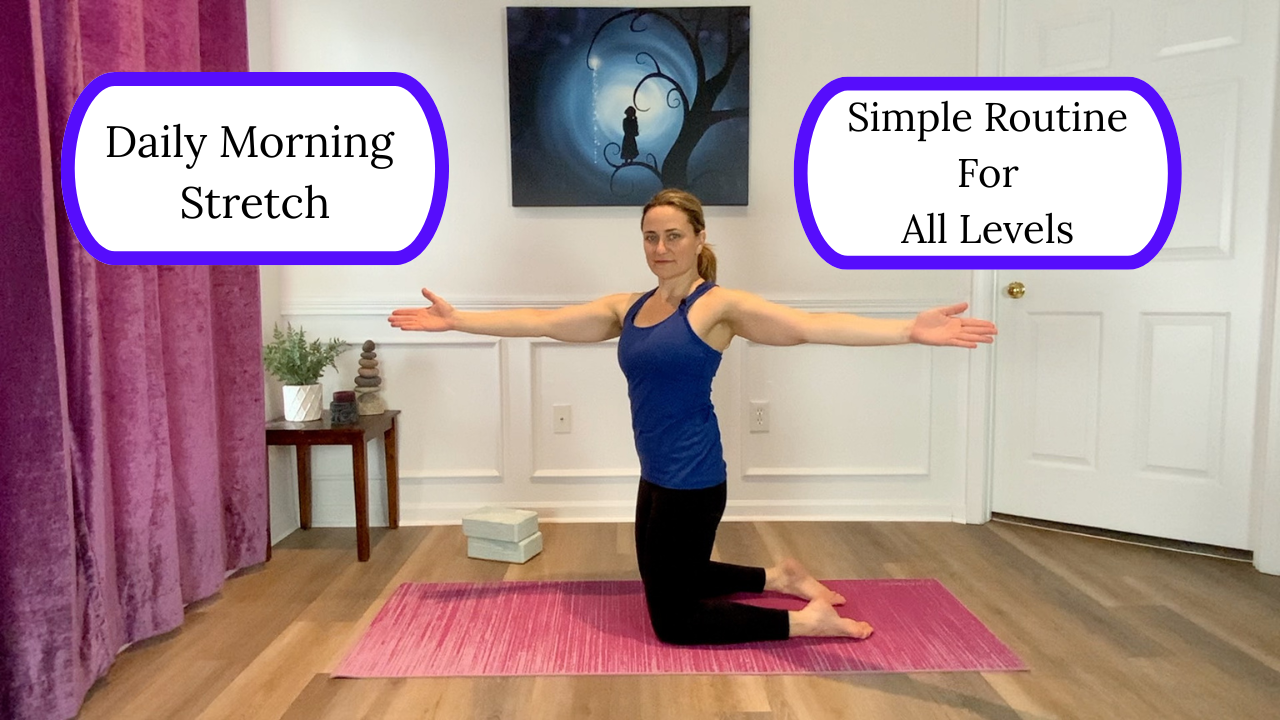
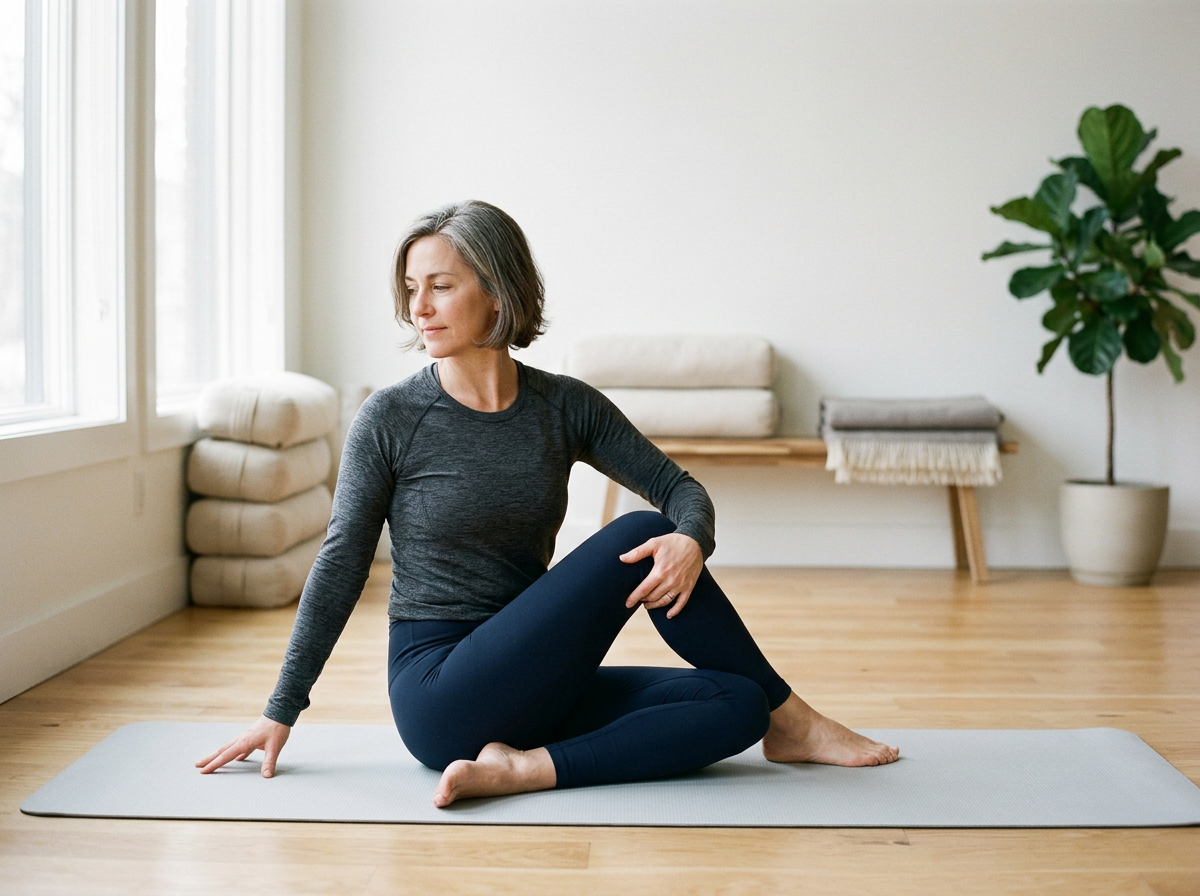
You do not need special outfits, a background in dance, or the ability to touch your toes to start.
Remember, flexibility is the destination, not the starting line. All you need is a willingness to show up just as you are today.
Celebrate the small wins—like a neck that turns a little easier while backing out of the driveway, or a lower back that feels looser getting out of bed in the morning.
Ready to see how good gentle movement can feel?
Head over to my YouTube Channel for free beginner friendly pilates videos designed specifically for real, everyday bodies-stiffness and all! Press play on a short routine today and take that first step toward feeling more free in your body!