Flexion-Free Core: Strengthen Abs Without Bending Your Spine
When you think about building a strong core, the first images that come to mind are usually crunches, sit-ups, and deep forward folds. For many people, bending the spine forward, known as spinal flexion, is a one-way ticket to back pain and strain.
Whether you are navigating a sensitive back injury, managing a spinal condition, or simply want to learn the Pilates format correctly and methodically, you do not need to crunch to build an incredibly strong center. In fact, learning how to stabilize your core while keeping your spine perfectly still is one of the most functional, protective things you can do for your body. The first thing I teach my clients is how to work in a neutral spine before we start adding spinal flexion work. The safest way to build up your core is by staying in a neutral spine position, keeping your spine in it’s natural position the entire time.
Moving Beyond the Crunch: What is Spinal Stability?
Traditional abdominal exercises rely on shortening the front of the body by rounding the spine. While the standard Pilates "ab curl" is a staple of the mat format, it isn't the only way to tap into your powerhouse. For many people with back issues, it isn't the safest place to start.
By focusing on spinal stability rather than spinal flexion, you train the deepest layers of your abdominal wall, like the transversus abdominis, to act as a natural corset that protects your lower back. To build a strong foundation without stress, we can look to two highly effective movement styles: standing functional strength and modified mat Pilates.
Standing Core Work with Weights: A Functional Alternative
Dumbbell Hold with Alternating Leg Lifts
• How to do it: Stand tall with your feet hip distance apart. Hold one heavier dumbbell right on your chest with both hands. Yes, if you hold it further out in from of you it is more challenging, however it is puts a TON of stress on your back and it not a good idea if you have back issues.
Find a perfectly neutral, upright spine. Slowly exhale, engage your lower belly, and lift one knee up toward a 90-degree tabletop position. Lower it down with control and switch sides. Do this slowly and with great control. An option to make it harder is to hold the dumbbell over your head, that is the more advanced version and not recommended with back issues.
• Why your core loves it: Your deep core muscles must contract intensely to keep you upright and prevent you from tilting or wobbling as you change feet.
The Weighted Spine Twist
• How to do it: Stand with a wide, stable base, holding a single heavy dumbbell close to your breastbone. Ground your feet firmly into the floor. Keeping your pelvis still, rotate your spine to the right, return to the center, and rotate to the left.
• Why your core loves it: By keeping the lower back and hips completely still, you create isolated rotation through the upper spine. The heavy weight adds resistance, challenging the obliques to control both the twist and the return to center without flexing the lower back.
Pilates Exercises That Keep Your Spine Neutral
When we step onto the mat, we can strip away the forward bending while maintaining the exact precision, control, and breath that makes Pilates so powerful. While it might seem like planks are the only option, there are several ways to target the front of the body without altering the shape of your spine.
Planks (Forearm or Full Plank)
• How to do it: Place your hands or forearms on the mat, stepping your feet back so your body forms one long, beautiful line from your head to your heels. Focus on your alignment: reach long through the crown of your head, pull your belly up towards your spine.
• Why your core loves it: The plank is the ultimate isometric core exercise. Your abdominal wall is working at maximum capacity to hold the weight of your torso against gravity, all while your spine remains in a perfectly supported, neutral alignment.
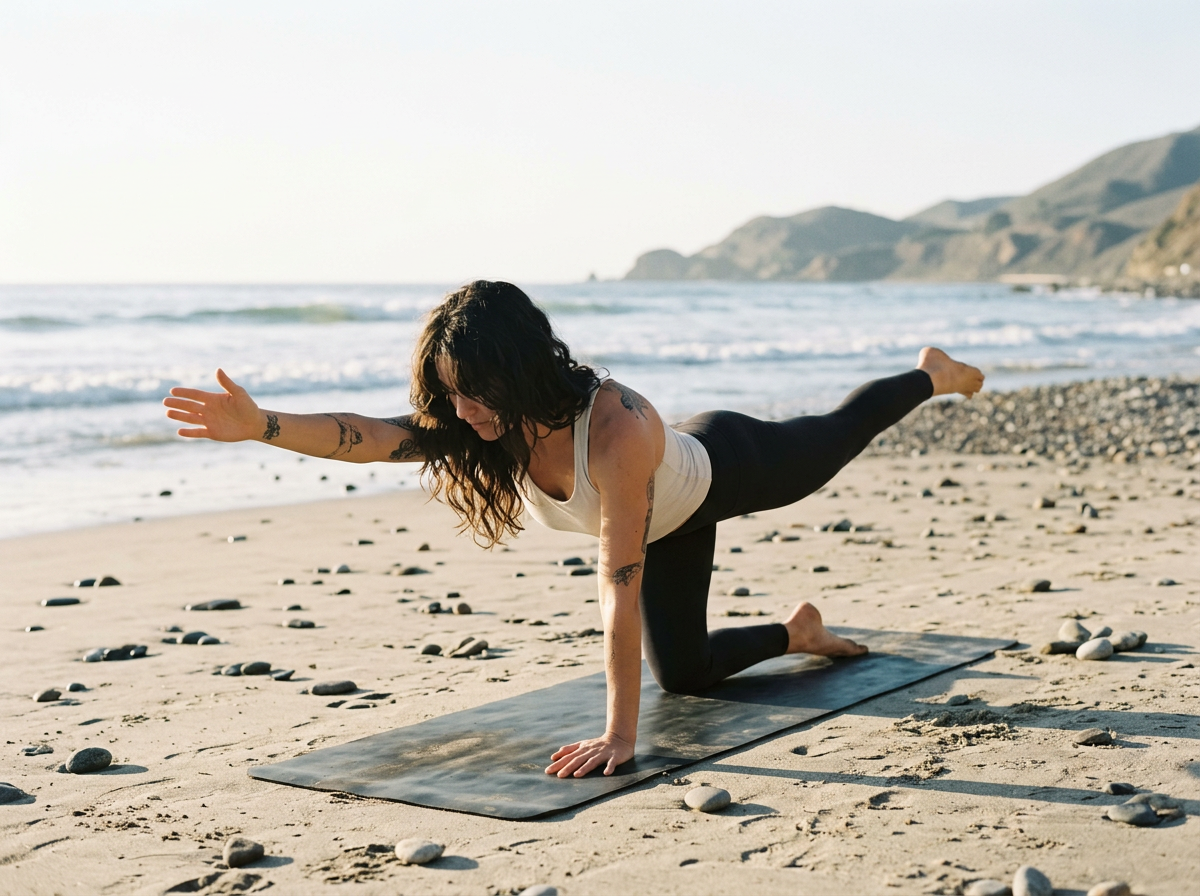
Bird-Dog Series
• How to do it: Start on all fours with your hands under your shoulders and knees under your hips. Find your neutral spine—not sagging, and not rounding. Exhale to reach your right arm forward and left leg straight back, zipping your lower abs in so your hips stay completely level. Inhale to return, then switch sides.
• Why your core loves it: This exercise mimics the fundamental stability work of the classical Pilates apparatus. As your limbs reach away from your center, your core has to fire to prevent your lower back from arching or dropping, teaching you how to move with true clarity.
Honor Your Body's Foundation
Building a strong core should never come at the expense of your back. By choosing exercises that focus on stability, alignment, and slow, intentional progression, you can build a resilient center that supports you in every single thing you do. Always remember to move slow, focus on which muscles are engaging, and practice the form before trying to make the movement bigger or heavier. Your spine will thank you for the structure and preparation.
I hope this article gave you some helpful insight into your pilates practice! If you have any questions about what we covered, or if something else popped up that you just want to chat through, please feel free to email me here. I'd love to connect with you!